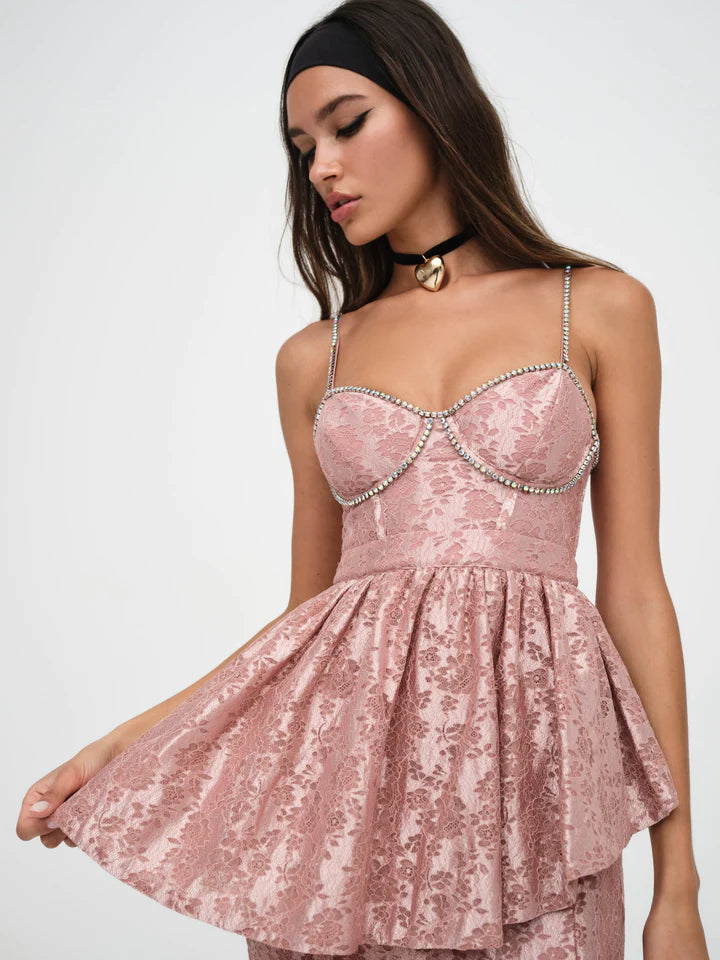
Spliced lace trim throughout
Keep wounds moist, helping new skin cells migrate faster Reduce bacteria contamination by forming a protective seal Minimise scab formation, which slows down healing Encourage autolytic debridement, removing dead tissue naturally How the Body Responds to Occlusive Dressings Increased hydration Cells grow faster Lower oxygen tension Promotes new blood vessel growth (angiogenesis) Stable temperature Optimises enzyme activity in healing Key Takeaways for Patients, Nurses & Doctors Key Takeaways for Patients, Nurses & Doctors Choose the right dressing based on wound type and healing stage Watch for signs of infection but dont mistake normal dressing changes (e.g., hydrocolloid odor) for problems Avoid unnecessary antibiotic ointmentssimple petroleum jelly works just as well Moist wound healing is best for faster recovery and minimal scarring Control post-op bleeding with direct pressure, elevation, and careful monitoring Concerned about your wound

This maxi dress was made for your next event
Think about loose-fitting lightweight tops, flowy sundresses, linen pants, casual shorts, swimsuit coverups, and wide-brimmed sunhats for sun protection
If necessary, undo or add a few stitches to shift the marker so the decreases are perfectly centered




























![Nincada (66/97) [EX: Dragon] – Pokemon Plug](https://pokemonplug.com/cdn/shop/files/Pokemon-TCG-Destined-Rivals-Stamped-Team-Rockets-Zapdos.webp?v=1754375929&width=720)

